The Growing Shadow: Reports of a Chinese Base in Cuba Fuel US-China Tensions
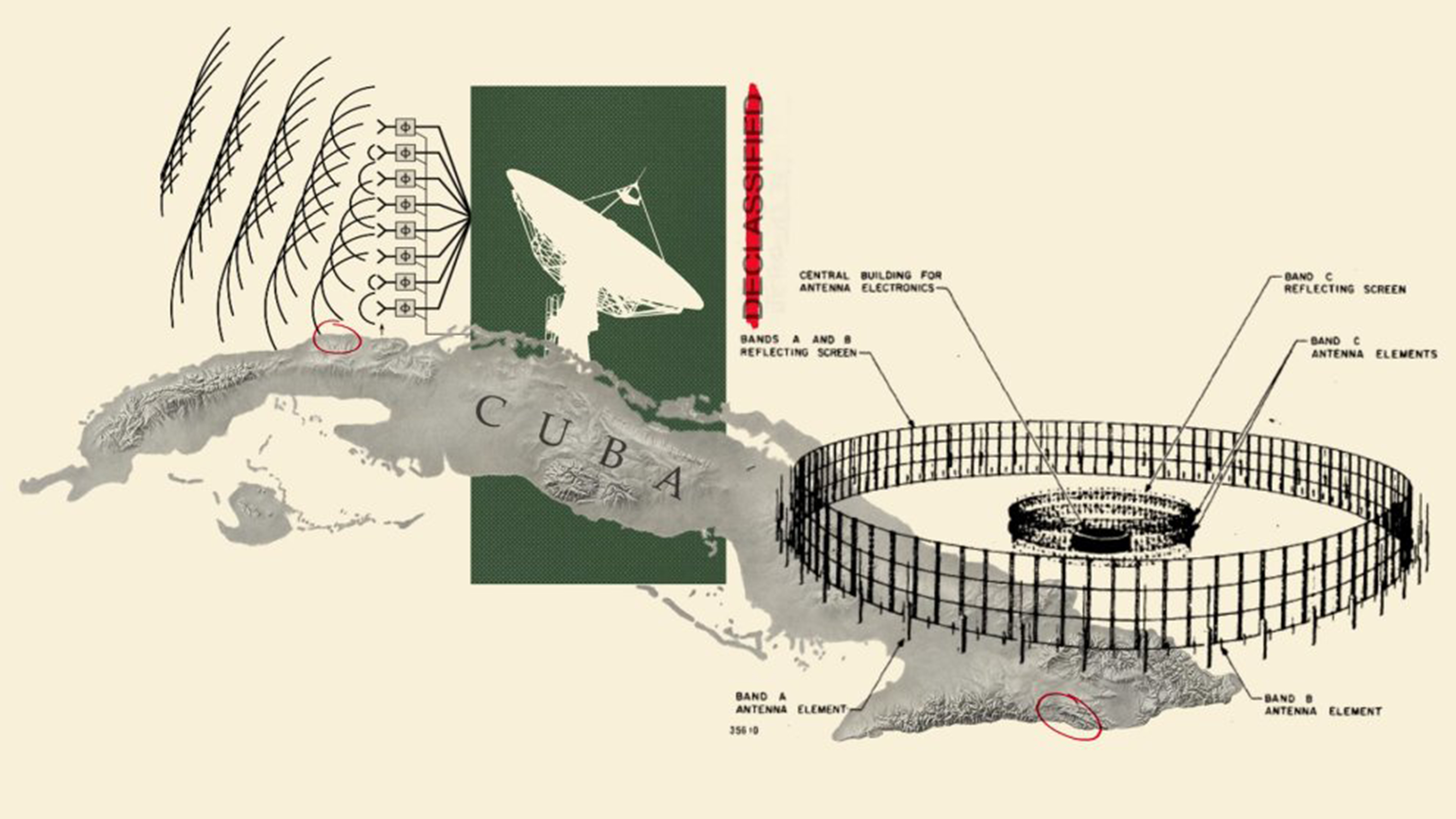
Reports suggesting that China is establishing a new surveillance facility, often referred to as a base chinesa américa latina, in Cuba have ignited a fresh wave of geopolitical concern, casting a long shadow over US-China relations. Just 90 miles from the shores of Florida, this alleged development in the Caribbean nation is seen by some analysts as a significant and provocative move, potentially ushering in a new era of Cold War-style competition in the Western Hemisphere. While both the U.S. administration and the Cuban government have publicly denied the specific claims of a new deal, the underlying concerns about China's expanding influence and military capabilities in Latin America remain a potent source of tension.
The strategic implications of such a facility, regardless of its precise nature or official designation, are profound. Its proximity to the United States could significantly enhance China's intelligence-gathering capabilities, potentially monitoring sensitive electronic communications and U.S. ship traffic in a highly critical region. This perceived escalation is not just about a single location; it represents a broader shift in China's defense strategy and its assertiveness on the global stage, challenging traditional power dynamics and forcing countries across Latin America to reconsider their allegiances and diplomatic approaches.
Strategic Stakes: Why a Chinese Presence in Cuba Matters
The reported establishment of a Chinese intelligence facility in Cuba is not merely a matter of one nation aiding another; it's a move steeped in high-stakes geopolitics. Experts suggest that such a facility could allow China to "scoop up electronic communications throughout the southeastern U.S., where many military bases are located, and monitor U.S. ship traffic." This advanced surveillance capability would extend beyond U.S. interests, potentially giving Beijing access to communications across many Latin American nations north of the Equator. This technological edge would be particularly valuable during times of heightened international tension or conflict, significantly augmenting China's global intelligence network.
According to figures like Craig Singleton, a senior fellow at the Foundation for Defense of Democracies, the move signals an "escalatory phase in China’s broader defense strategy," calling it "a bit of a game changer." The selection of Cuba, a long-standing adversary of the U.S. and a strategically located island nation, is seen by some as "intentionally provocative." Furthermore, reports indicate that China would be paying billions of dollars to the cash-strapped Caribbean nation for such an arrangement, providing a vital economic lifeline to Cuba while securing a significant strategic asset for Beijing. This economic leverage coupled with military ambition underscores the multifaceted nature of China's engagement in the region.
Unpacking the Denials and Existing Surveillance Claims
Despite the alarm raised by initial reports, particularly from sources like the Wall Street Journal, the official responses have been mixed and often contradictory, making definitive conclusions challenging. A senior U.S. administration official, while acknowledging "real concerns about China’s relationship with Cuba" and its activities in the hemisphere, stated that "this report is not accurate," declining to elaborate further on intelligence matters. Agencies like the CIA and the Office of the Director of National Intelligence also refused to comment, a standard practice on sensitive intelligence issues.
Cuba, through its Vice-minister of Foreign Affairs, Carlos Fernández de Cossío, vehemently rejected the reports as "totally false and unfounded information." He also took the opportunity to reiterate Cuba's stance against "any foreign military presence in Latin America and the Caribbean," explicitly including the "numerous United States military bases and troops," particularly the U.S. naval base at Guantánamo Bay. This underscores Cuba's long-standing sensitivity to foreign military presence on its soil, even as it navigates complex relationships with global powers.
It's important to note that the idea of a Chinese listening post in Cuba is not entirely new. There have been previous reports, including in 2018, of an existing Chinese signals intelligence facility in Bejucal, a town south of Havana, possibly equipped with new radar surveillance installations. The current speculation therefore revolves around whether the reported deal signifies an expansion of this existing facility, the construction of an entirely new one, or perhaps an enhancement of capabilities rather than a wholly new physical footprint. The lack of concrete, independently verifiable information means much of the discussion remains in the realm of intelligence assessment and geopolitical speculation, highlighting the opaque nature of such strategic maneuvers.
A New Cold War Echo? Escalating Tensions in the Caribbean
The potential presence of a base chinesa américa latina in Cuba undeniably raises the specter of a return to Cold War-era geopolitics, where proxy conflicts and ideological battles defined international relations. For the U.S., a Chinese surveillance post so close to its borders evokes historical parallels with the Cuban Missile Crisis, though the current scenario is fundamentally different. This development forces Washington to contend with a significant peer competitor directly in its traditional sphere of influence, demanding a robust and strategic response. As Evan Ellis, a professor at the U.S. Army War College Strategic Studies Institute, suggests, it "telegraphs Chinese willingness in the current difficult environment between our two countries to take some of these bolder steps." He attributes this willingness to China's growing military and economic power, coupled with a perceived "U.S. democratic disarray."
This dynamic creates a complex and potentially volatile environment. Beyond the immediate intelligence implications, such a move signifies China's increasing assertiveness and its readiness to project power further afield. It demonstrates a strategic calculation by Beijing that the benefits of challenging U.S. regional hegemony outweigh the risks of further deteriorating relations. This geopolitical chess game is also complicated by Russia's historical ties to Cuba and recent efforts to re-engage with the island, including past speculation about reopening its Soviet-era espionage base in Lourdes. The convergence of these interests could transform the Caribbean into a more contested and militarized zone, increasing regional instability. For a deeper dive into the motivations behind this unfolding situation, consider reading Decoding China's Cuba Play: Provocation, Espionage, or Power Grab?
Latin America's Geopolitical Tightrope Walk
The potential establishment of a Chinese base in Cuba presents a significant dilemma for the rest of Latin America. Nations in the region are increasingly finding themselves caught between the escalating competition of two global superpowers. Historically, the U.S. has been the dominant external power, but China's economic might and increasing diplomatic engagement have offered many countries new avenues for trade, investment, and infrastructure development, often with fewer political strings attached than traditional Western partners.
For Latin American countries, navigating this complex landscape requires astute diplomacy and a clear understanding of their national interests. Supporting or condemning a Chinese presence in Cuba carries both economic and political risks, potentially alienating one superpower or the other. Increased regional tensions resulting from this competition could destabilize the region, impacting trade routes, security cooperation, and overall economic growth. Nations might face pressure to choose sides, which could undermine regional unity and independent foreign policy objectives.
Practical Considerations for Latin American Nations:
- Diversified Diplomacy: Maintaining balanced relations with both the U.S. and China, avoiding over-reliance on a single power.
- Economic Resilience: Building robust domestic economies that are less susceptible to external pressures and geopolitical shifts.
- Regional Cooperation: Strengthening alliances and cooperative frameworks within Latin America to present a unified front on matters of sovereignty and security.
- Clarity on National Interests: Clearly defining and communicating national security and economic priorities to avoid being drawn into proxy competitions.
- Transparency: Insisting on transparency in deals with foreign powers, especially those concerning sensitive infrastructure or security matters.
The situation highlights the urgent need for Latin American leaders to develop sophisticated strategies for engagement with both the U.S. and China, focusing on leveraging opportunities while mitigating risks to their sovereignty and stability. To understand the broader challenges and options for countries in the region, explore Latin America's Dilemma: Navigating US-China Competition Over Cuba.
Conclusion
The reports of a potential base chinesa américa latina in Cuba, even amidst official denials, have undeniably injected a new layer of complexity and tension into US-China relations. Whether an expansion of existing capabilities or a wholly new venture, the strategic implications of enhanced Chinese intelligence gathering so close to U.S. shores are significant, fueling concerns about an escalating geopolitical rivalry. For Latin American nations, this development underscores the delicate balancing act required to navigate the interests of competing global powers while safeguarding their own sovereignty and promoting regional stability. The Caribbean, a region historically central to U.S. security, appears poised to become a more contested stage in the unfolding competition between Washington and Beijing, demanding careful diplomatic navigation and strategic foresight from all parties involved.