Decoding China's Cuba Play: Provocation, Espionage, or Power Grab?
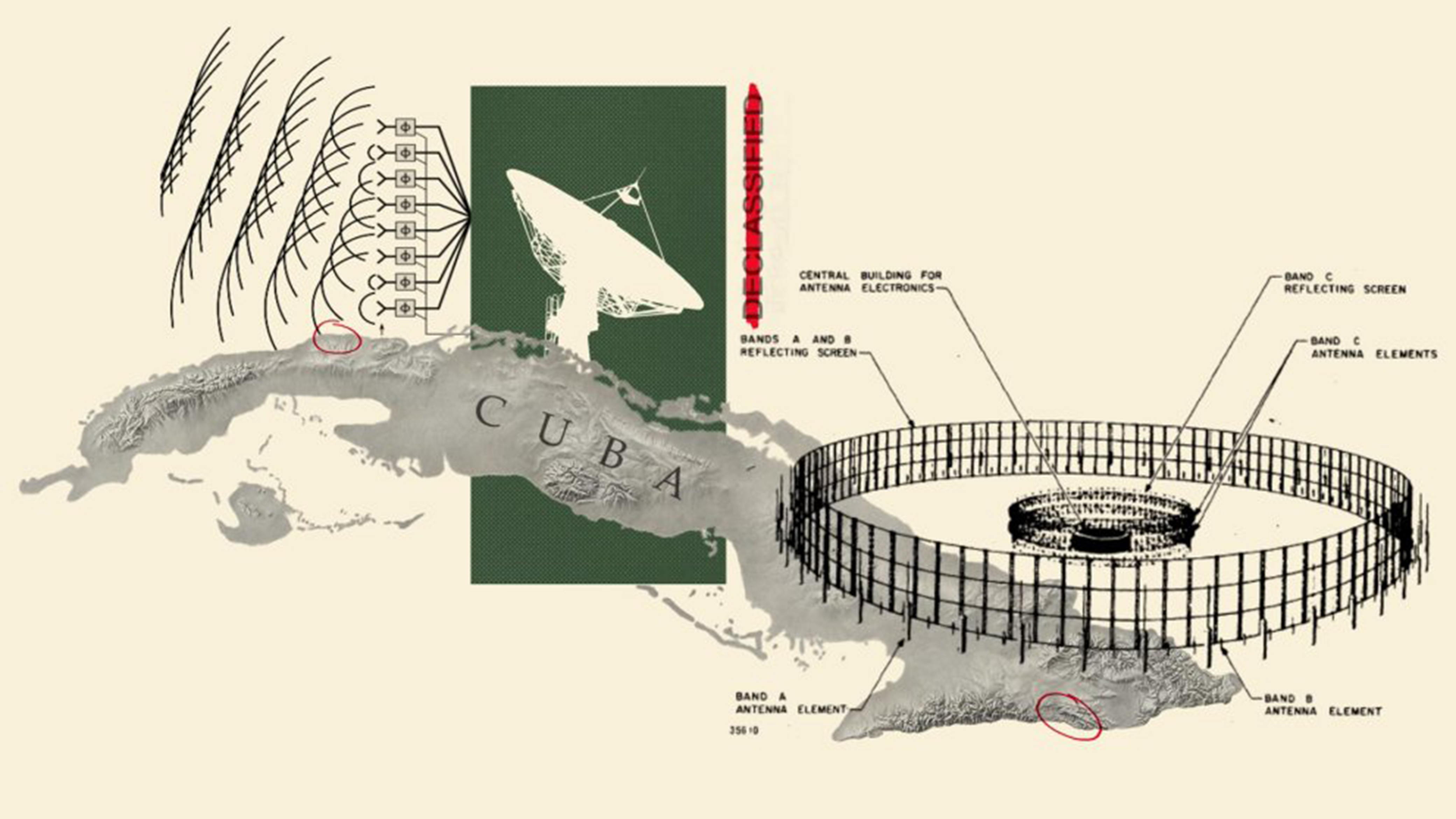
The sun-drenched shores of Cuba, a mere 90 miles from the tip of Florida, have once again become a flashpoint in global geopolitics. Recent reports alleging China's intent to establish a sophisticated signals intelligence (SIGINT) facility on the island have sent ripples across international relations, sparking intense debate over Beijing's true intentions. Is this a calculated provocation against the United States, an expansion of its global espionage network, or a bold assertion of power in the Western Hemisphere? The unfolding narrative around a potential
base chinesa américa latina demands a deeper look into its strategic implications, regional impact, and the renewed geopolitical tensions it signifies.
The Geopolitical Chessboard: Why Cuba Matters
Cuba's geographical proximity to the United States has historically made it a strategic prize. The alleged deal, reportedly involving billions of dollars paid by China to the economically struggling Caribbean nation, underscores the high stakes. Should such a facility materialize, its capabilities would be extensive and deeply concerning for Washington. Experts like Singleton suggest that the base would allow China to "scoop up electronic communications throughout the southeastern U.S., where many military bases are located, and monitor U.S. ship traffic." This would represent an unprecedented level of surveillance capability directly adjacent to a critical adversary.
Beyond immediate U.S. concerns, the proposed base's reach would extend to "communications for any Latin American north of the Equator," granting China a significant intelligence advantage across a vast swathe of the hemisphere. This strategic positioning in the Caribbean, so close to the Panama Canal and major shipping lanes, indeed signals a "new, escalatory phase in China’s broader defense strategy," making it a veritable "game changer" in the regional balance of power. The very selection of Cuba, a long-standing U.S. antagonist, is widely viewed as "intentionally provocative," a clear message from Beijing about its expanding global influence and willingness to challenge traditional spheres of power. The establishment of any significant
base chinesa américa latina would undeniably reshape the geopolitical landscape.
Espionage or an Expanded Footprint? Dissecting the Allegations
The Wall Street Journal first broke the story of China's alleged plans, igniting a flurry of reactions. While U.S. administration officials initially downplayed the report as "not accurate," they simultaneously expressed "real concerns about China’s relationship with Cuba" and its activities in the hemisphere, confirming ongoing monitoring and counter-measures. The Cuban government, through its Vice-minister of Foreign Affairs, Carlos Fernández de Cossío, vehemently rejected the claims as "totally false and unfounded information." These denials, however, arrive amidst a backdrop of existing Chinese intelligence activities on the island.
China is widely believed to already possess a military presence in Cuba, specifically a listening station in Bejucal, south of Havana, with reports of new radar surveillance installations surfacing as early as 2018. The question then becomes whether this new alleged deal entails expanding an existing facility or constructing an entirely new one. Evan Ellis, a professor at the U.S. Army War College Strategic Studies Institute, highlights the significance of a dedicated signals-intelligence facility. While China might already be gathering intelligence through commercial means in the region, a dedicated SIGINT base "adds to China’s capabilities, especially in times of war."
This potential move signifies China's increasing assertiveness. Ellis suggests it "telegraphs Chinese willingness...to take some of these bolder steps and their sense, with their growing military power and economic power and the perception of the U.S. democratic disarray, that they can take these steps that maybe a decade ago, they would not have risked." It's a calculated move that, while perhaps "not that big of a threshold," is undeniably "significant" in the ongoing great power competition. The discussion also naturally brings to mind intense speculation just prior to this news regarding Russia's potential reopening of its own Soviet-era espionage base in Lourdes, near Havana, underscoring the enduring appeal of Cuba as an intelligence hub for U.S. rivals.
A Return to Cold War Dynamics? Regional Implications and Reactions
The prospect of a permanent
base chinesa américa latina undeniably evokes echoes of the Cold War, particularly the Cuban Missile Crisis. This time, however, the actors are different, and the regional context is more complex. The question for Latin American nations is profound: should they support or oppose such a development, especially as it threatens to significantly increase regional tensions with China and the USA vying for influence in the Caribbean?
Cuba's official stance, while rejecting the specific allegations, also strongly pushed back against "any foreign military presence in Latin America and the Caribbean, including that of numerous United States military bases and troops, especially the military base that illegally occupies a portion of the national territory in the province of Guantánamo." This sophisticated diplomatic maneuver highlights Cuba's assertion of sovereign rights while simultaneously pointing out perceived U.S. hypocrisy.
For other Latin American countries, the dilemma is acute. Many have burgeoning economic ties with China, which has become a major trading partner and investor across the continent. Simultaneously, they share historical and geographic ties with the United States. Navigating this increasingly competitive environment without alienating either superpower presents a formidable challenge. The potential establishment of a Chinese intelligence base in Cuba forces these nations to confront a stark reality: regional stability could be compromised, and they may be pressured to take sides in a renewed geopolitical struggle. For more on this, read
Latin America's Dilemma: Navigating US-China Competition Over Cuba. The unfolding situation promises an escalation of US-China tensions in the Caribbean, explored further in
China's Cuba Base: Escalating US-China Tensions in the Caribbean.
Navigating the New Normal: Tips for Regional Actors
The alleged Chinese base in Cuba, whether a new facility or an expansion, signals a fundamental shift in the geopolitical landscape of the Americas. For countries in the region, adapting to this "new normal" requires strategic foresight and diplomatic agility.
Here are some practical tips and considerations:
*
Diversify Partnerships: While economic engagement with China is often beneficial, regional governments should actively seek to diversify their trade, investment, and security partnerships to avoid over-reliance on any single external power. This reduces vulnerability to geopolitical pressures.
*
Prioritize National Sovereignty and Interests: Nations must consistently articulate and act upon their core national interests, emphasizing territorial integrity and non-interference in internal affairs. Agreements with external powers should be transparent and explicitly benefit the host nation, not merely serve as leverage in larger power games.
*
Promote Regional Dialogue: Foster stronger regional institutions and multilateral dialogues that allow Latin American and Caribbean nations to collectively address security concerns, economic opportunities, and shared challenges. A united regional front holds more sway than individual nations trying to balance global giants.
*
Maintain Strategic Ambiguity: In an era of intense superpower competition, overtly choosing sides can be detrimental. A policy of strategic ambiguity, focusing on broad national development goals and engaging with all partners on issues of mutual benefit, can help maintain diplomatic space.
*
Invest in Cyber Security: Regardless of the presence of a foreign base, the digital landscape is a new frontier for espionage. Regional countries must bolster their own cyber defense capabilities to protect critical infrastructure and government communications from all actors.
*
Transparency in Defense Matters: While sovereign rights are paramount, greater transparency regarding military and intelligence agreements with external powers can help build confidence and reduce speculation among neighbors.
The potential establishment of a significant
base chinesa américa latina would indeed fundamentally alter regional security calculations for decades to come.
Conclusion
The alleged plans for a Chinese intelligence base in Cuba represent more than just a localized development; they signify a profound escalation in the strategic competition between the United States and China. Whether framed as provocation, espionage, or a naked power grab, Beijing's potential move into Washington's traditional backyard underscores its growing global ambitions and willingness to challenge established norms. For Latin America, this means navigating an increasingly complex geopolitical environment, balancing economic opportunities with security concerns, and striving for autonomy amidst renewed superpower rivalry. The full implications of China's Cuba play are still unfolding, but its potential to reshape international relations and regional stability is undeniable, demanding careful attention and sophisticated diplomacy from all involved.